
Styling Your Own Pieces: Creativity Above Consumption.
Rethinking how we build outfits with what we already own.
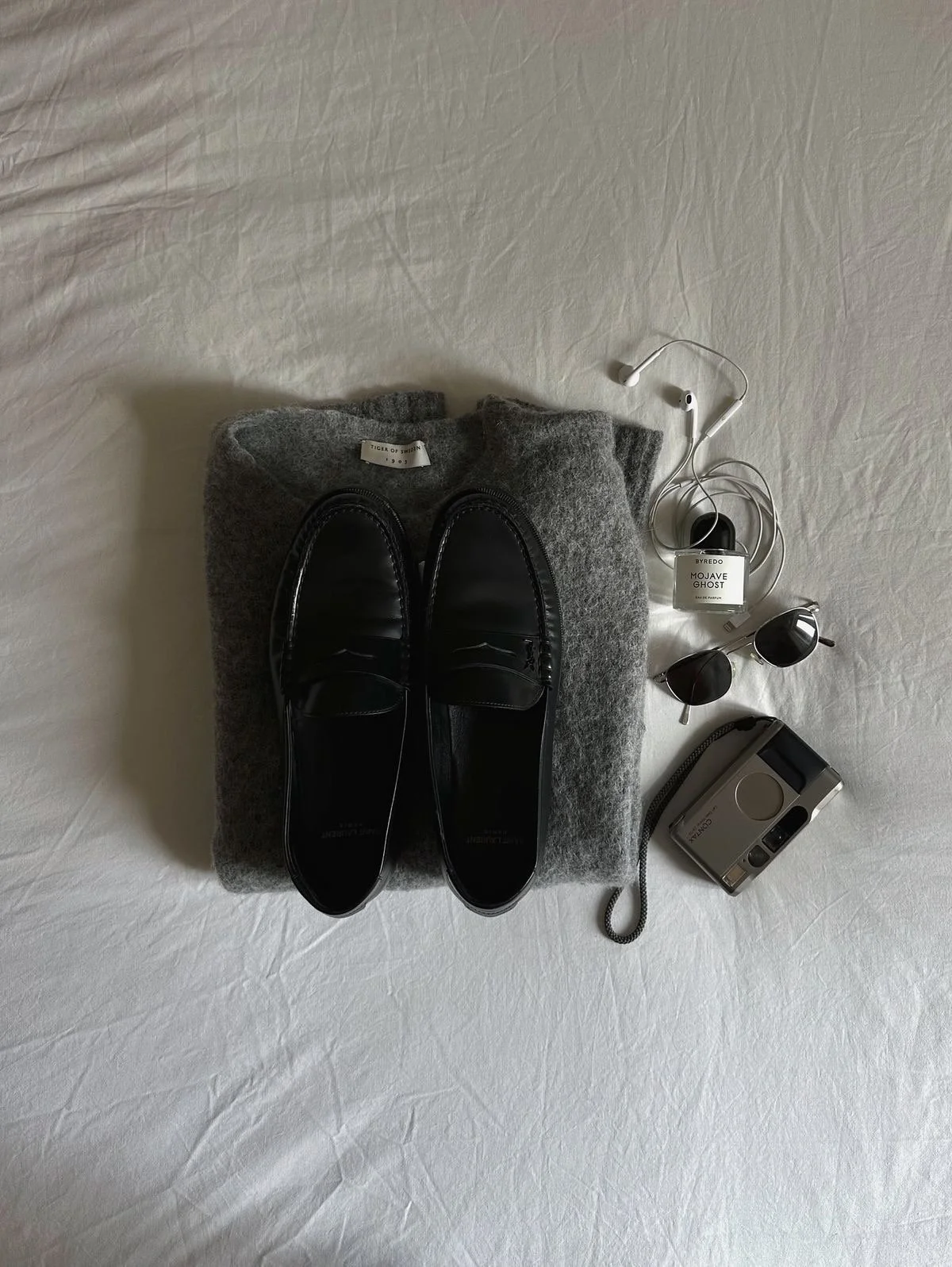
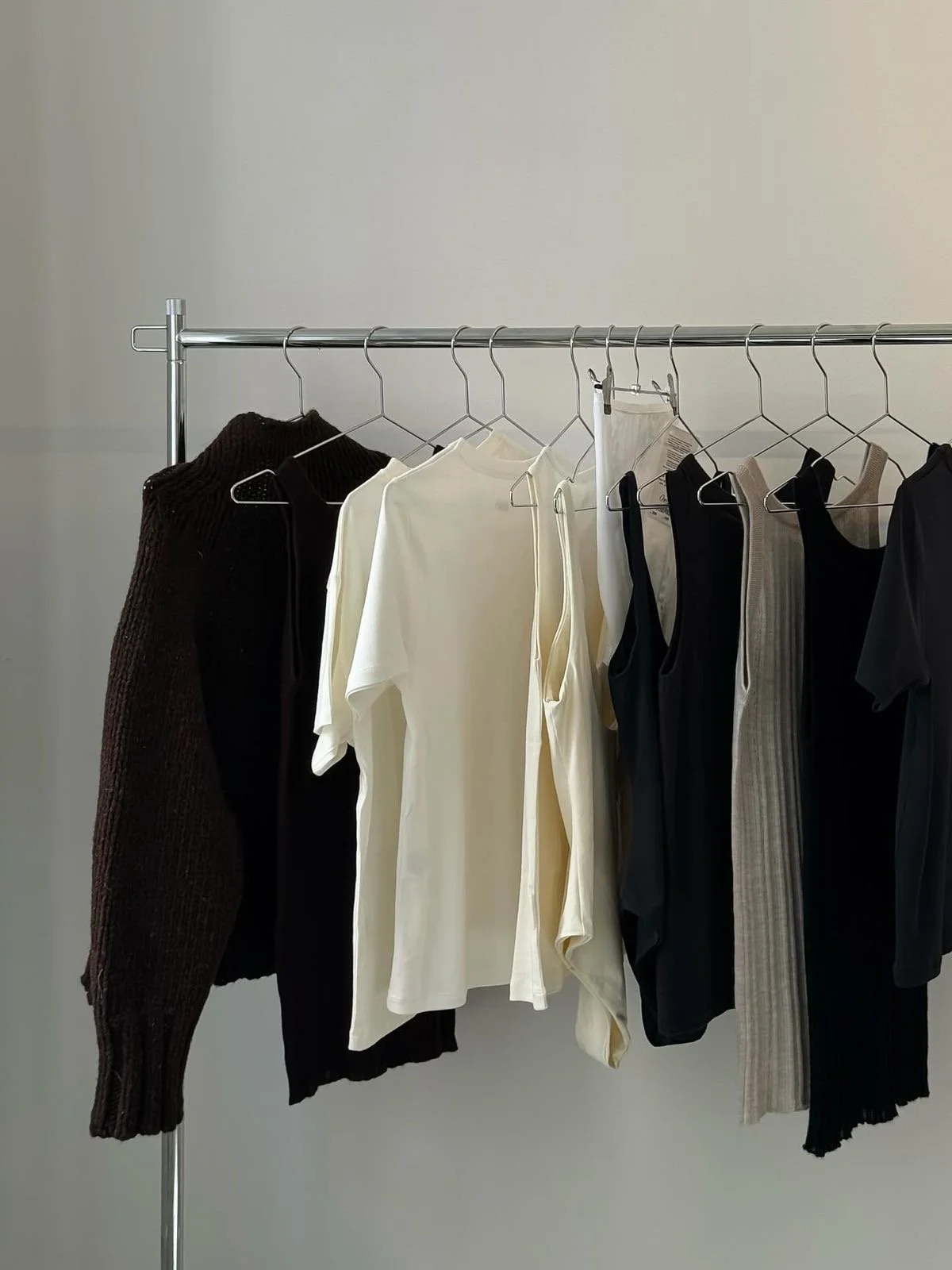
1. The Habit of Wanting More:
There is always something new to buy.
A new trend, a new item, or an updated version of what you currently have. Sometimes you feel like your wardrobe is never enough. You have everything you need, but you still feel like something is missing.
But when I looked around in my own wardrobe, I saw something very interesting. The items I wore the most were not necessarily the most recent purchases. They were the ones I felt most comfortable wearing, recognized, and wore most often without thinking about it.
I wondered whether the problem isn't simply not having enough items, but rather not having enough understanding about how to make use of them properly and effectively.
2. One item, several choices:
I wanted to explore a topic that I believe is necessary for everyone to understand: what happens when you stop searching for new pieces and look at the ones you currently have?
I wanted to search through my wardrobe for one basic outfit that I had already worn often and style it in as many different ways as possible. It looked limiting at first, but as I experimented with various styles, I found there were plenty of options.
The same item may seem completely different based on:
How to layer it?
What to match it with?
How to wear it?
A basic t-shirt can look formal, casual, or playful, depending on how it is styled. I realized I didn't need to get anything new to make my outfit more interesting. I just needed to look at my piece from a new perspective.
The repetition of clothing is often considered a limitation, but I believe it may also provide a more clear view of personal style.
3. Discovering Personal Style With Repetition:
Wearing the same items usually helps us figure out what we love most. We understand what feels good, what works well together, and what best reflects us as an individual. Style is no longer about always experimenting with new ways to look attractive.
This is because we are realizing that the clothes we wear have a purpose beyond being attractive at the moment of purchase.
4. Pay attention to how other people style their outfits:
Our daily outfit is heavily influenced by our routines, situations, and personal habits. It is no longer about trends but about our own experiences.
This is why I believe that style develops by way of repetition rather than changes.
5. Creativity in Limits:
Keeping things within these rules might seem limited sometimes, but it can also lead to more creative ideas.
When you stop focusing on buying something new, you become more attentive to the small details. You get creative with layers, proportions, and combinations you may not have considered before. You begin to see your wardrobe as flexible items rather than a fixed set of outfits. This is where creativity starts.
The concept of minimalism often includes the idea of the ability to adapt with fewer items.
But more than just about sustainability, there is also a creative value in doing more with less.
The goal here is not to entirely stop shopping. It is not supposed to remove everything from your wardrobe. It is to rethink your perspective on those items you currently own.
This changes your perspective on your clothing collection from something you need more of to something you still have a lot to learn about.
6. Why Does This Matter?
In today's digital world when everything encourages you to get something new, it's easy to assume you need something new for your style. However, focusing on fewer things might help you define your style.
When you start dressing using the items you already have, you start to:
Learn about your style.
Create consistency.
Develop a more personal style.
